Complete History of the Musée de l’Orangerie
From citrus trees to Water Lilies: how architecture, light, and collecting shaped a uniquely quiet Paris museum.
Table of Contents
Origins: The Tuileries Orangerie

In the mid‑19th century, the Tuileries Garden gained a new, dignified pavilion: a long, light‑filled orangery to shelter citrus trees through Parisian winters. Built with generous windows and classical restraint, it was conceived for plants and promenade — a garden architecture of utility and grace, where light and air were not decoration but purpose.
As regimes shifted and the city modernized, the building endured, weathering changes to the Tuileries and the nearby palace. Its sturdy envelope and simple volumes would later prove perfect for another kind of cultivation: looking. The space’s measured proportions quietly anticipated its second life as a museum tuned to daylight and slow attention.
From Garden Pavilion to Museum

After World War I, the French state sought a home for Claude Monet’s monumental late cycle, the Water Lilies — paintings meant not as a single canvas but as an environment, a horizon that surrounds. The Orangerie, with its generous footprint and capacity for natural light, was adapted to host this gift, transforming a garden building into a sanctuary for painting.
Architects reconfigured interiors to create two oval rooms designed for circling and pausing. The result was not a gallery of frames but an experience: a sequence of seasons, reflections, and atmospheres expressed in color. With this transformation, the Orangerie joined the city’s museums as its most contemplative — a place where architecture serves the rhythm of looking.
Architecture, Light & the Oval Rooms

The Orangerie’s character lies in light. Daylight enters softly, filtered to avoid glare, allowing color to breathe. The oval rooms encourage movement without hurry, inviting you to walk and then to rest — to watch brushwork accumulate into sensation. In these spaces, the horizon becomes a circle; the paintings are not scenery but atmosphere you inhabit.
Upstairs, smaller rooms and measured heights keep paintings at human scale. The architecture refuses spectacle in favor of intimacy; you are never far from a canvas. The building’s simplicity is its luxury: proportion, quiet, and the steady companionship of natural light.
Monet’s Gift: Conceiving the Water Lilies

In his final decades at Giverny, Monet painted water and light as if measuring time itself. The cycle he imagined for Paris was less a series than an environment — seasons and hours translated into vast, gently curving panoramas. Installed in 1927, the Nymphéas turn brushwork into atmosphere, offering the city a place for solace after war.
Monet sought daylight, quiet, and a viewer in motion. The Orangerie’s oval plan embraces that vision: you circle, you return, and the paintings slowly change as your eyes adjust. What begins as color resolves into reeds, reflections, and then into the feeling of weather — a museum experience that is as much about presence as about art.
Paul Guillaume, Jean Walter & Modern Masters
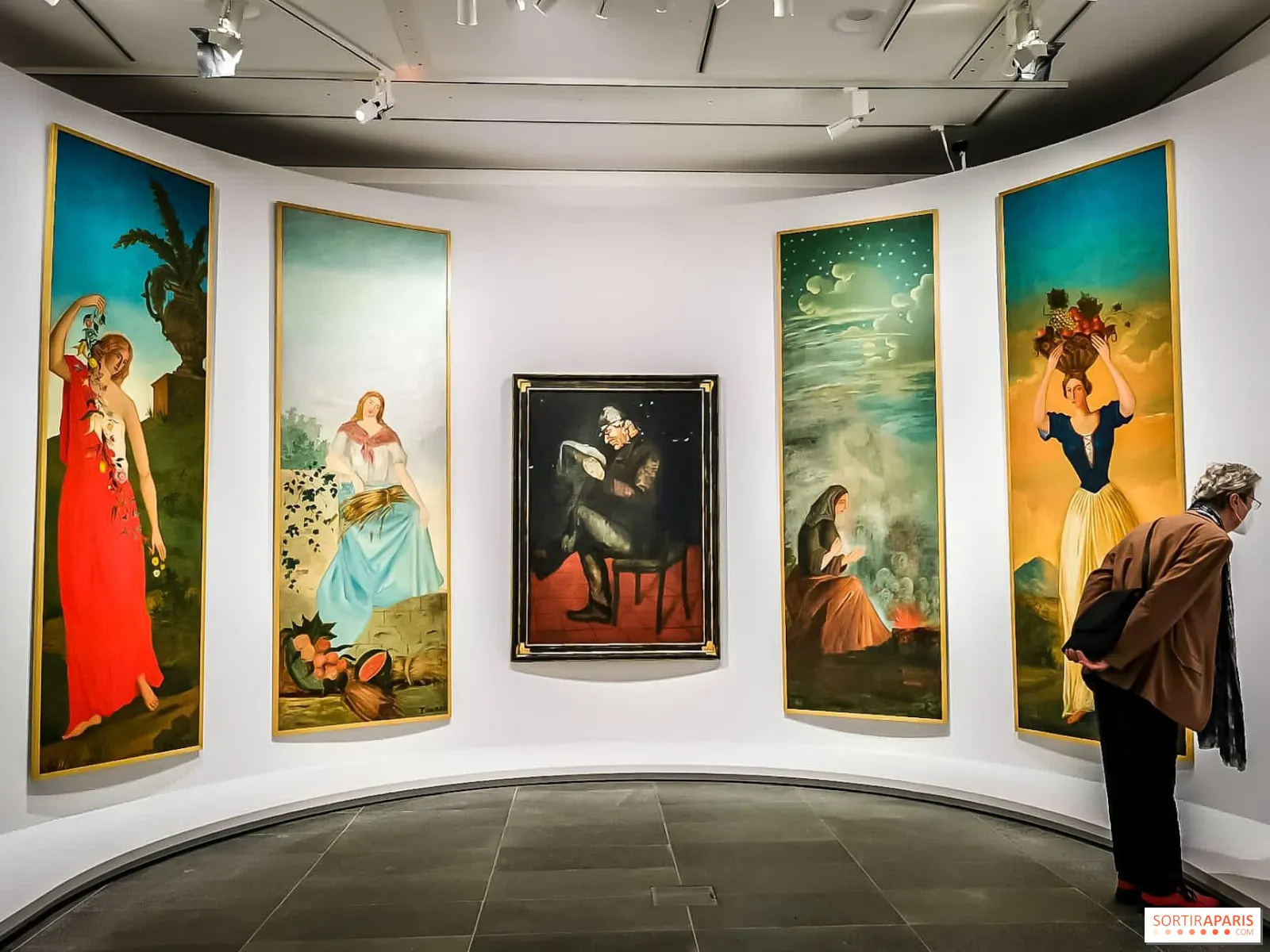
Upstairs, the museum holds the collection shaped by dealer Paul Guillaume and later stewarded by Jean Walter. It is a tender map of modern painting: Renoir’s warmth, Cézanne’s structure, Matisse’s audacity, Picasso’s experimentation, Modigliani’s poise, Soutine’s intensity. These works converse with each other across small rooms where scale invites nearness.
Rather than grand survey, the collection feels personal — choices made in friendship and conviction. Hung with care, the paintings encourage notice of small things: the turn of a shoulder, the arrangement of a still life, the pulse inside color. It is modern art at human height.
War, Reconstruction & Renewals
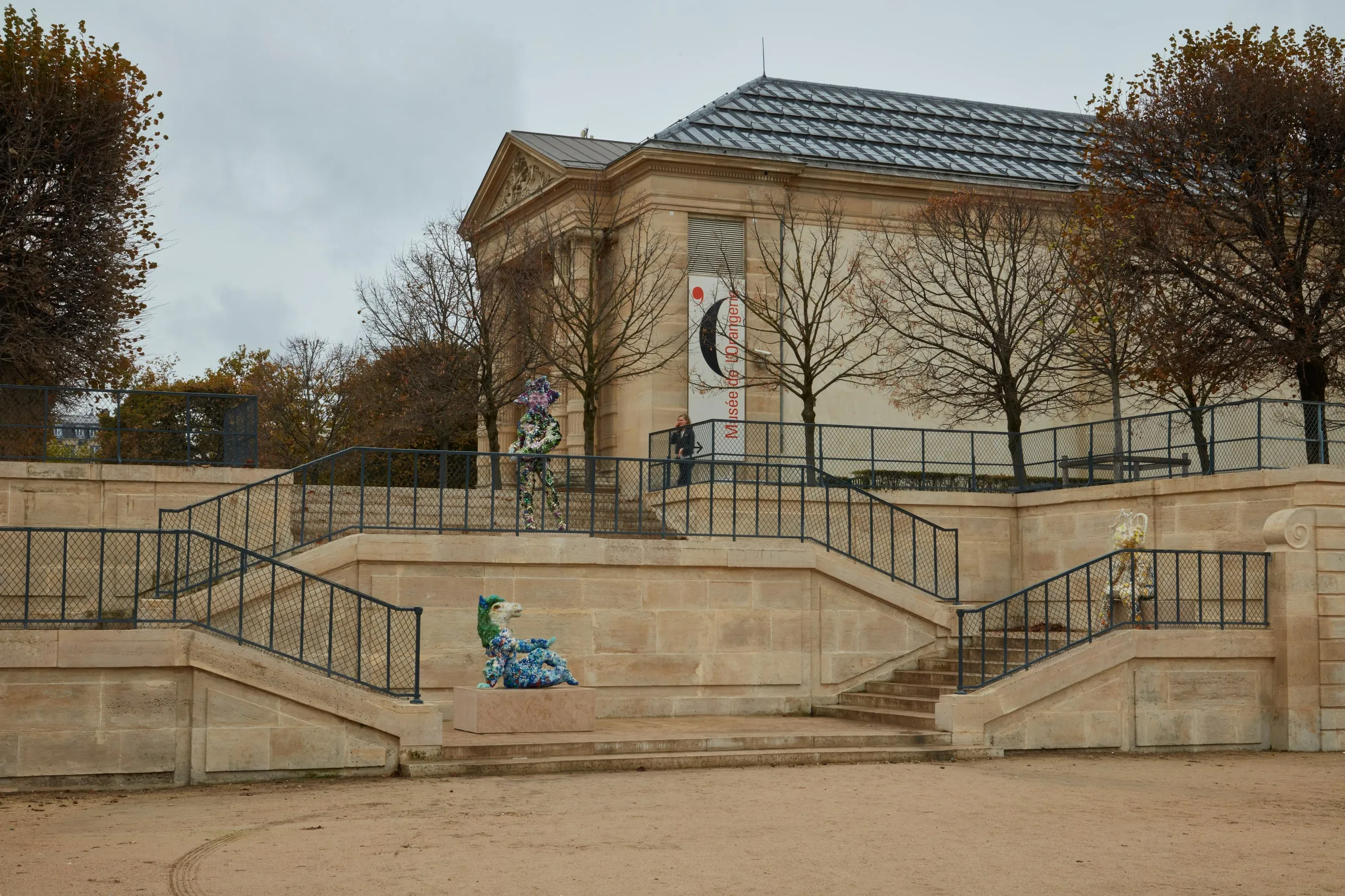
The Orangerie’s life mirrors the city’s: interruptions, restorations, careful updates. As Paris rebuilt and museums reconsidered their spaces, the Orangerie refined its light and circulation, preserving the spirit of Monet’s rooms while improving comfort and interpretation for contemporary visitors.
Renewals balanced respect and necessity. Conservation stabilized canvases, adjusted glazing, and ensured that daylight remained a friend to color. Through these changes, the museum kept faith with its founding idea: architecture that supports attention, paintings that reward time.
Visitor Experience Over Time
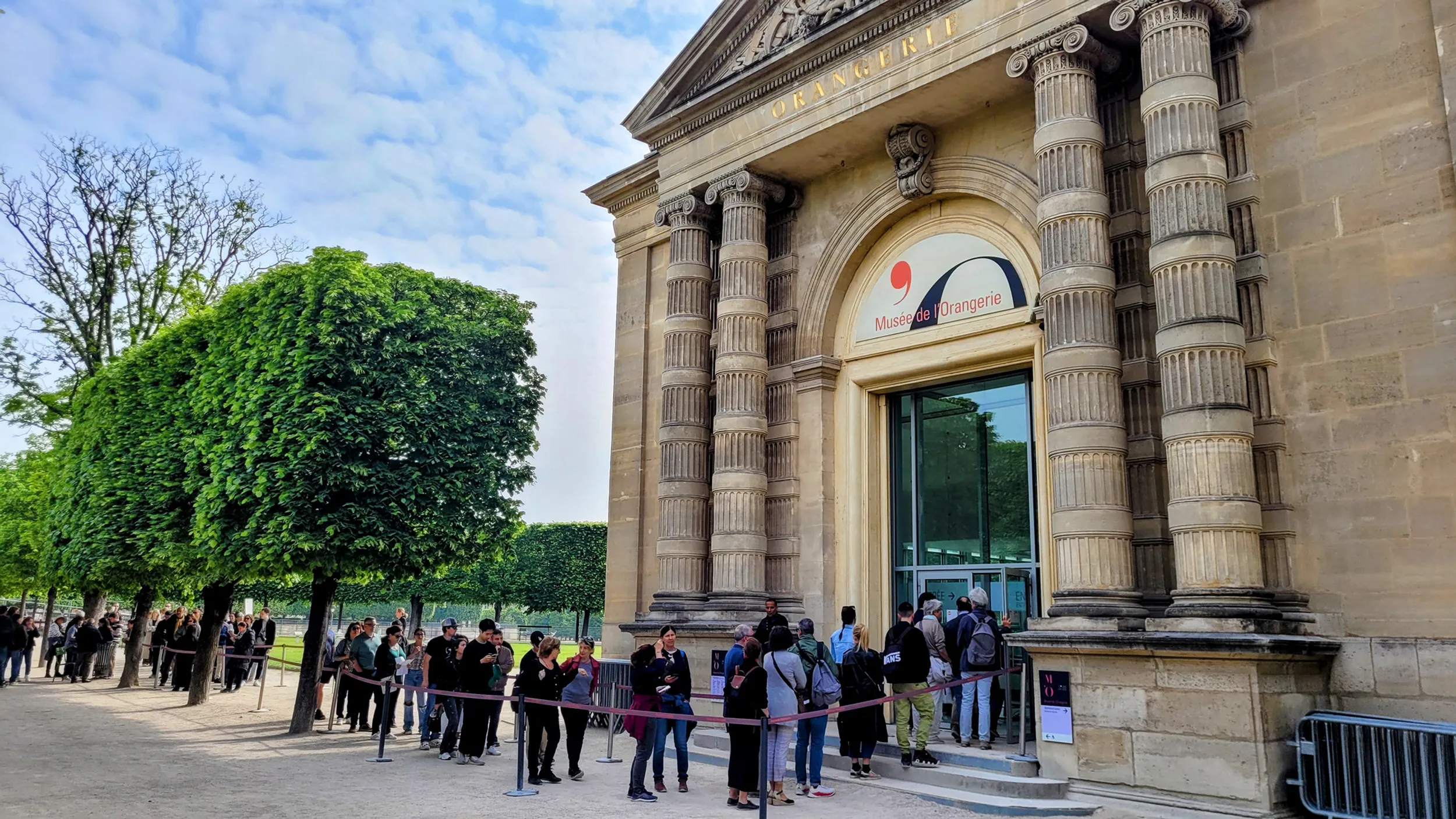
Generations have learned the Orangerie’s rhythm: enter from the garden, lower your voice, let eyes adjust. The museum invites a slower pace than most — an antidote to hurry, a place to rediscover looking as a pleasure rather than a task.
Interpretation has deepened, access has improved, and programming has grown, yet the essential experience remains: light, quiet, and paintings that reward patience. Many return to time a visit with the seasons, finding the Water Lilies subtly different in winter clarity and summer glow.
The Orangerie and WW2
Like all Parisian institutions, the Orangerie stood through difficult years. Works were safeguarded, and the city’s cultural life adapted. The building’s resilience owes to its simplicity — walls, daylight, and paintings able to welcome visitors again when peace returned.
In the decades after the war, the museum’s role as a place of quiet felt newly necessary. The Water Lilies, conceived in the aftermath of World War I, became a kind of civic breathing space: a reminder that attention and beauty can be forms of repair.
The Museum in Popular Culture
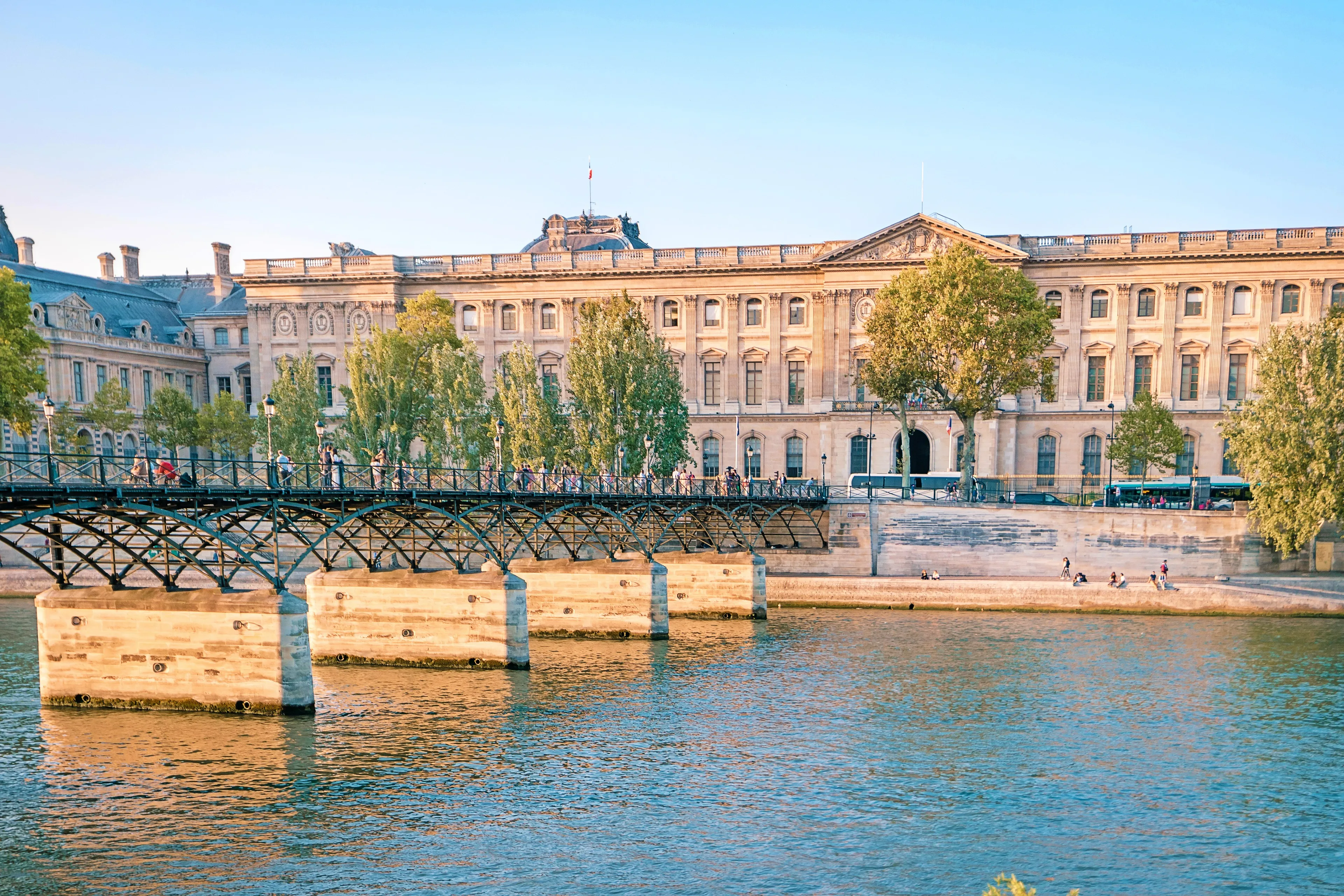
The Orangerie is less a backdrop for spectacle than a site of contemplation, yet it appears in films, essays, and photographs as shorthand for slow looking. The rooms’ oval geometry and soft daylight are instantly recognizable to those who have walked their curve.
Artists and writers often describe returning to the Water Lilies in seasons of change. Upstairs, the collection’s intimacy invites personal encounters: the kind remembered not by date but by a brushstroke that stayed with you long after.
Visiting Today

Today, clear signage, timed entries, and thoughtful mediation keep the museum calm even when popular. Benches in the Water Lilies rooms encourage pauses; upstairs, measured hangs and quiet corners make space for discovery.
Accessibility has improved, facilities are modern, and programming connects Monet’s rooms with dialogues across modern and contemporary art. Above all, the Orangerie remains faithful to its founding promise: a museum tuned to daylight and attention.
Future Plans & Conservation
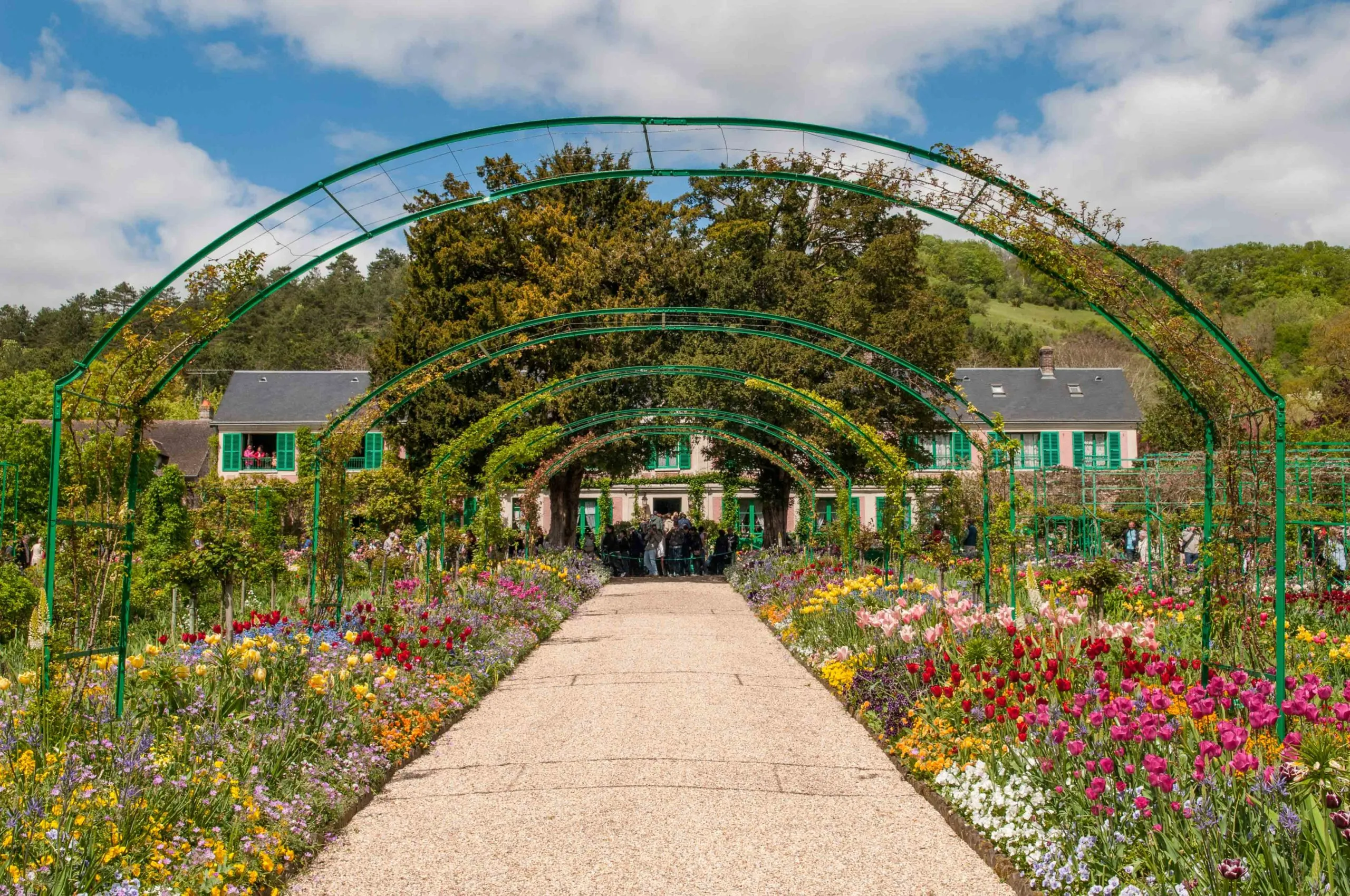
Conservation is ongoing: light levels monitored, surfaces cared for, and interpretation refreshed. The museum continues to balance access with preservation, ensuring that the Water Lilies and the upstairs collection remain vivid for future visitors.
Future plans prioritize subtle improvements — clarity of routes, comfort, and the care of daylight itself. The Orangerie’s quiet is not accidental; it is maintained, tended like a garden where seeing is a form of rest.
Nearby Paris Landmarks
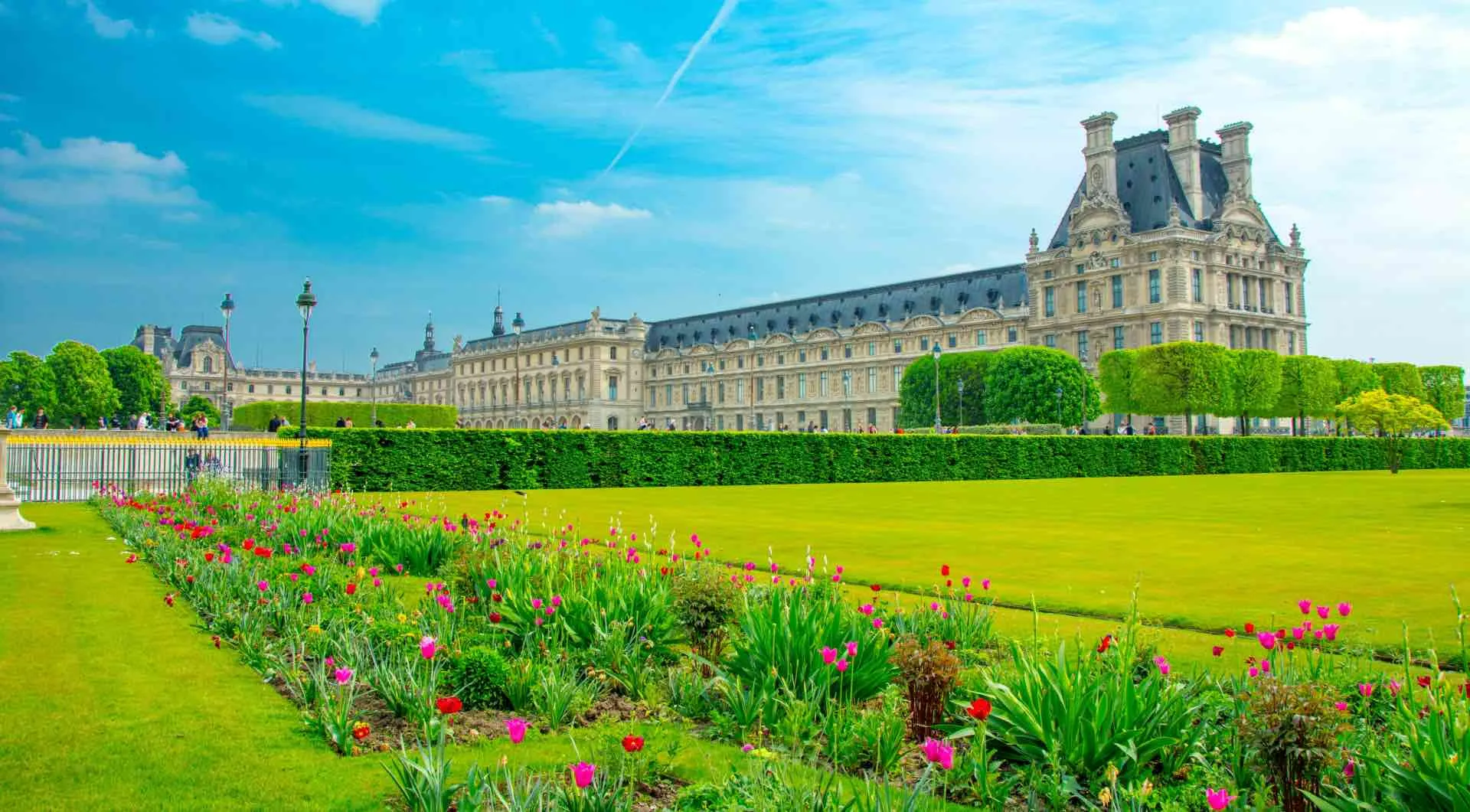
Stroll to the Louvre, cross to the Musée d’Orsay, or wander the Champs‑Élysées from Place de la Concorde. The Tuileries themselves are a destination: statues, ponds, and gravel paths that change with the season.
The Jeu de Paume, the Place Vendôme, and the Palais Royal are within easy reach, making the Orangerie a beautiful starting point for a day of art and city.
Cultural Significance & Memory
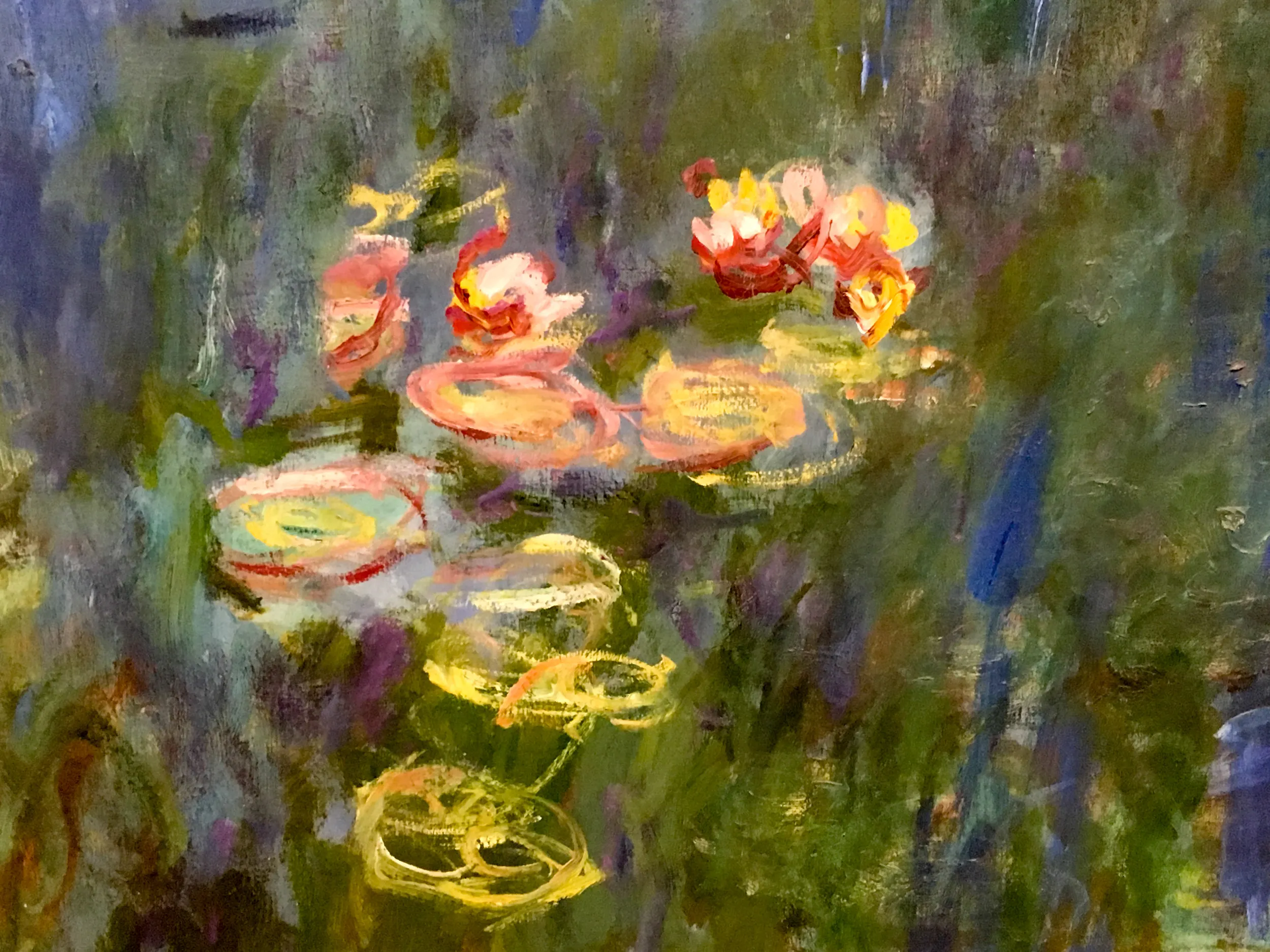
The Musée de l’Orangerie is a small museum with a large gift: it teaches slowness. Monet’s Water Lilies ask you to stand inside painting; the upstairs collection invites conversation at human scale. In a city of icons, it is a refuge for attention.
Its significance is civic as well as artistic. The Orangerie gives Paris a daily place for quiet — a museum where time softens and looking becomes a pleasure again. That, too, is culture: the right to linger in front of color until it feels like weather.
Table of Contents
Origins: The Tuileries Orangerie
In the mid‑19th century, the Tuileries Garden gained a new, dignified pavilion: a long, light‑filled orangery to shelter citrus trees through Parisian winters. Built with generous windows and classical restraint, it was conceived for plants and promenade — a garden architecture of utility and grace, where light and air were not decoration but purpose.
As regimes shifted and the city modernized, the building endured, weathering changes to the Tuileries and the nearby palace. Its sturdy envelope and simple volumes would later prove perfect for another kind of cultivation: looking. The space’s measured proportions quietly anticipated its second life as a museum tuned to daylight and slow attention.
From Garden Pavilion to Museum
After World War I, the French state sought a home for Claude Monet’s monumental late cycle, the Water Lilies — paintings meant not as a single canvas but as an environment, a horizon that surrounds. The Orangerie, with its generous footprint and capacity for natural light, was adapted to host this gift, transforming a garden building into a sanctuary for painting.
Architects reconfigured interiors to create two oval rooms designed for circling and pausing. The result was not a gallery of frames but an experience: a sequence of seasons, reflections, and atmospheres expressed in color. With this transformation, the Orangerie joined the city’s museums as its most contemplative — a place where architecture serves the rhythm of looking.
Architecture, Light & the Oval Rooms
The Orangerie’s character lies in light. Daylight enters softly, filtered to avoid glare, allowing color to breathe. The oval rooms encourage movement without hurry, inviting you to walk and then to rest — to watch brushwork accumulate into sensation. In these spaces, the horizon becomes a circle; the paintings are not scenery but atmosphere you inhabit.
Upstairs, smaller rooms and measured heights keep paintings at human scale. The architecture refuses spectacle in favor of intimacy; you are never far from a canvas. The building’s simplicity is its luxury: proportion, quiet, and the steady companionship of natural light.
Monet’s Gift: Conceiving the Water Lilies
In his final decades at Giverny, Monet painted water and light as if measuring time itself. The cycle he imagined for Paris was less a series than an environment — seasons and hours translated into vast, gently curving panoramas. Installed in 1927, the Nymphéas turn brushwork into atmosphere, offering the city a place for solace after war.
Monet sought daylight, quiet, and a viewer in motion. The Orangerie’s oval plan embraces that vision: you circle, you return, and the paintings slowly change as your eyes adjust. What begins as color resolves into reeds, reflections, and then into the feeling of weather — a museum experience that is as much about presence as about art.
Paul Guillaume, Jean Walter & Modern Masters
Upstairs, the museum holds the collection shaped by dealer Paul Guillaume and later stewarded by Jean Walter. It is a tender map of modern painting: Renoir’s warmth, Cézanne’s structure, Matisse’s audacity, Picasso’s experimentation, Modigliani’s poise, Soutine’s intensity. These works converse with each other across small rooms where scale invites nearness.
Rather than grand survey, the collection feels personal — choices made in friendship and conviction. Hung with care, the paintings encourage notice of small things: the turn of a shoulder, the arrangement of a still life, the pulse inside color. It is modern art at human height.
War, Reconstruction & Renewals
The Orangerie’s life mirrors the city’s: interruptions, restorations, careful updates. As Paris rebuilt and museums reconsidered their spaces, the Orangerie refined its light and circulation, preserving the spirit of Monet’s rooms while improving comfort and interpretation for contemporary visitors.
Renewals balanced respect and necessity. Conservation stabilized canvases, adjusted glazing, and ensured that daylight remained a friend to color. Through these changes, the museum kept faith with its founding idea: architecture that supports attention, paintings that reward time.
Visitor Experience Over Time
Generations have learned the Orangerie’s rhythm: enter from the garden, lower your voice, let eyes adjust. The museum invites a slower pace than most — an antidote to hurry, a place to rediscover looking as a pleasure rather than a task.
Interpretation has deepened, access has improved, and programming has grown, yet the essential experience remains: light, quiet, and paintings that reward patience. Many return to time a visit with the seasons, finding the Water Lilies subtly different in winter clarity and summer glow.
The Orangerie and WW2
Like all Parisian institutions, the Orangerie stood through difficult years. Works were safeguarded, and the city’s cultural life adapted. The building’s resilience owes to its simplicity — walls, daylight, and paintings able to welcome visitors again when peace returned.
In the decades after the war, the museum’s role as a place of quiet felt newly necessary. The Water Lilies, conceived in the aftermath of World War I, became a kind of civic breathing space: a reminder that attention and beauty can be forms of repair.
The Museum in Popular Culture
The Orangerie is less a backdrop for spectacle than a site of contemplation, yet it appears in films, essays, and photographs as shorthand for slow looking. The rooms’ oval geometry and soft daylight are instantly recognizable to those who have walked their curve.
Artists and writers often describe returning to the Water Lilies in seasons of change. Upstairs, the collection’s intimacy invites personal encounters: the kind remembered not by date but by a brushstroke that stayed with you long after.
Visiting Today
Today, clear signage, timed entries, and thoughtful mediation keep the museum calm even when popular. Benches in the Water Lilies rooms encourage pauses; upstairs, measured hangs and quiet corners make space for discovery.
Accessibility has improved, facilities are modern, and programming connects Monet’s rooms with dialogues across modern and contemporary art. Above all, the Orangerie remains faithful to its founding promise: a museum tuned to daylight and attention.
Future Plans & Conservation
Conservation is ongoing: light levels monitored, surfaces cared for, and interpretation refreshed. The museum continues to balance access with preservation, ensuring that the Water Lilies and the upstairs collection remain vivid for future visitors.
Future plans prioritize subtle improvements — clarity of routes, comfort, and the care of daylight itself. The Orangerie’s quiet is not accidental; it is maintained, tended like a garden where seeing is a form of rest.
Nearby Paris Landmarks
Stroll to the Louvre, cross to the Musée d’Orsay, or wander the Champs‑Élysées from Place de la Concorde. The Tuileries themselves are a destination: statues, ponds, and gravel paths that change with the season.
The Jeu de Paume, the Place Vendôme, and the Palais Royal are within easy reach, making the Orangerie a beautiful starting point for a day of art and city.
Cultural Significance & Memory
The Musée de l’Orangerie is a small museum with a large gift: it teaches slowness. Monet’s Water Lilies ask you to stand inside painting; the upstairs collection invites conversation at human scale. In a city of icons, it is a refuge for attention.
Its significance is civic as well as artistic. The Orangerie gives Paris a daily place for quiet — a museum where time softens and looking becomes a pleasure again. That, too, is culture: the right to linger in front of color until it feels like weather.